Adaptive Regulatory Landscapes and Layered Reward Systems in British Mobile Wheel Gaming
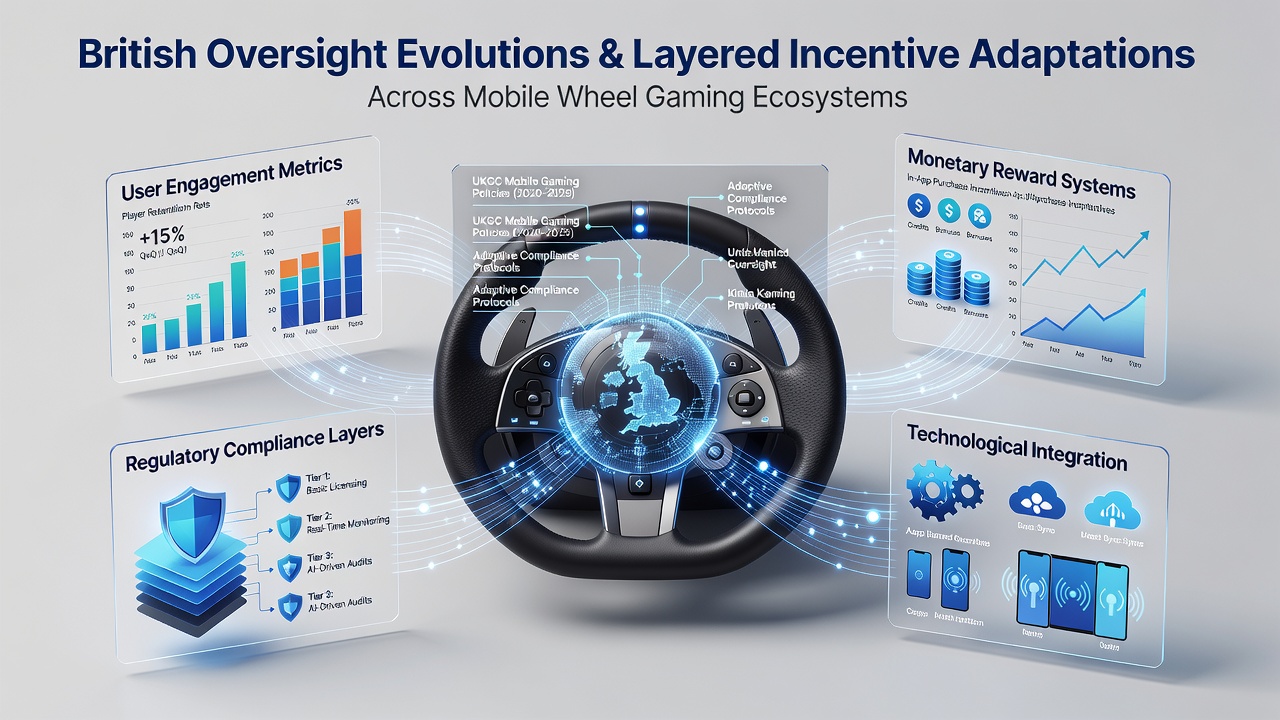
Regulatory frameworks governing mobile wheel gaming in Britain have undergone steady refinements since the early 2010s, with oversight bodies adjusting rules to address platform mobility, real-time transaction tracking, and cross-border data flows. These changes coincide with operators developing multi-tiered incentive models that incorporate deposit matches, loyalty multipliers, and cashback mechanisms tailored specifically for smartphone and tablet interfaces. Data from industry reports indicate that such adaptations maintain compliance while supporting player retention across digital channels.
Historical Foundations of Oversight Adjustments
British regulators began emphasizing mobile-specific licensing requirements around 2014, requiring operators to demonstrate robust age verification systems integrated directly into app interfaces. This period marked a shift from desktop-centric rules toward frameworks that account for location-based services and push notification marketing. Observers note that these early updates laid groundwork for later expansions in responsible gaming tools, including session time limits and spending caps that sync across devices in real time.
By 2018, additional clauses addressed bonus transparency, mandating clear display of wagering requirements within mobile apps rather than hidden in lengthy terms documents. Those who've tracked these developments point out that operators responded by restructuring reward layers, separating welcome packages from ongoing loyalty programs to meet disclosure standards while preserving engagement metrics.
Recent Developments Through Mid-2026
Updates implemented through the first half of 2026 introduced enhanced audit protocols for live dealer integrations on mobile platforms, requiring independent verification of random number generators used in wheel-based games. Figures from European trade associations reveal increased investment in compliance technology among operators, particularly those offering hybrid games that combine virtual wheels with streamed dealer elements. In July 2026, several platforms rolled out updated incentive dashboards that allow users to track progress across multiple reward tiers from a single mobile interface.
These dashboard features emerged partly in response to demands for greater player control over promotional opt-ins. Research indicates that mobile users engage more frequently with layered rewards when progress indicators update instantly rather than requiring manual refreshes. Operators adapted by embedding these tools within existing loyalty ecosystems, creating seamless transitions between daily login bonuses and longer-term cashback structures.
Incentive Layering Techniques in Mobile Contexts
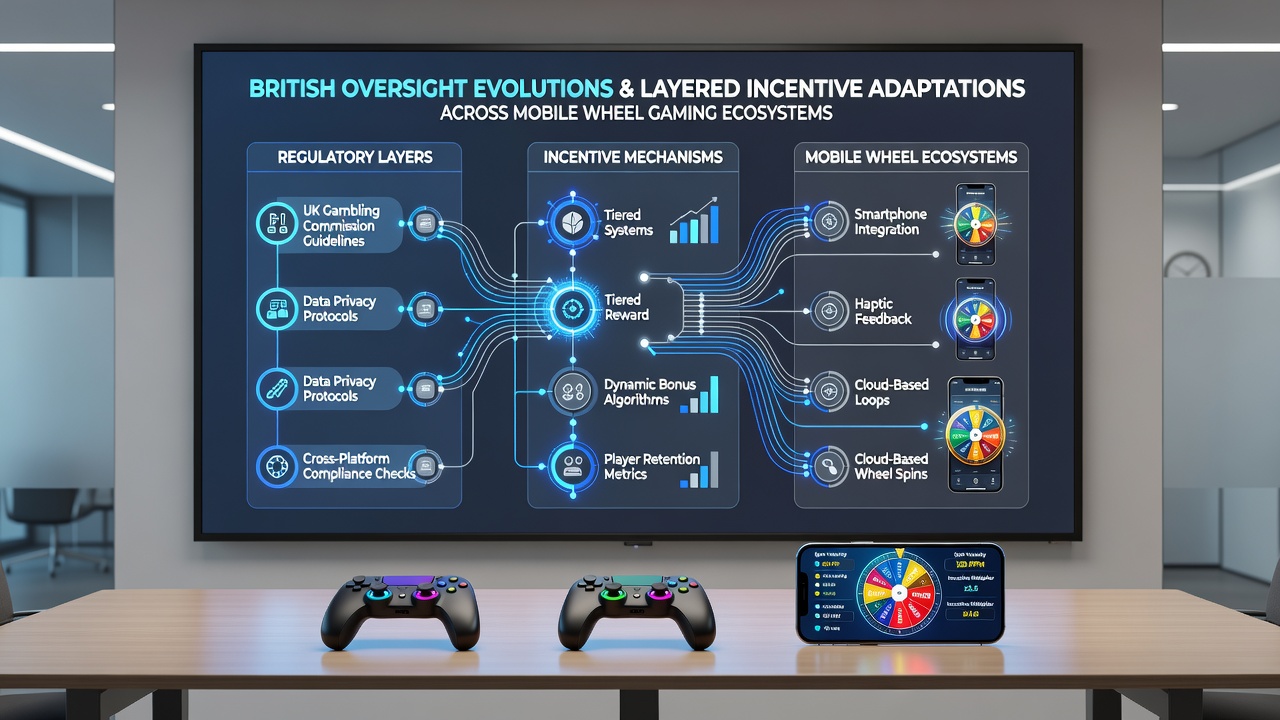
Layered incentive systems typically combine immediate rewards such as free spin allocations with progressive elements like tiered cashback rates that increase based on weekly activity volumes. Mobile ecosystems facilitate this structure through push notifications that alert users to unlocked levels, while backend systems enforce contribution rules across different game types. Those studying these patterns observe that wheel-focused titles often serve as anchor products within broader incentive frameworks due to their straightforward mechanics and predictable payout structures.
Operators have introduced mobile-exclusive multipliers that apply only when players access promotions through dedicated apps, encouraging shifts away from browser-based play. According to analyses from the European Gaming and Betting Association, such targeted incentives help maintain regulatory compliance by limiting bonus stacking across multiple accounts. This approach aligns with broader efforts to prevent overexposure while sustaining engagement through carefully calibrated reward frequencies.
Cross-Regional Comparisons and Data Insights
Comparative studies from regulators in other jurisdictions, including the Australian Gambling Research Centre, highlight parallels in how mobile platforms influence incentive design. British operators have incorporated elements such as time-bound reward windows and geographic restrictions that mirror approaches tested elsewhere. Data indicates these adaptations reduce instances of bonus abuse while preserving accessibility for legitimate mobile users.
Academic reviews of mobile gaming ecosystems note that incentive layering often correlates with higher session durations when rewards unlock progressively rather than all at once. In Britain, this has translated into systems where initial deposits trigger base rewards, subsequent activity unlocks enhanced rates, and consistent participation grants access to premium tiers featuring reduced withdrawal thresholds.
Conclusion
British oversight evolutions continue to shape how mobile wheel gaming operators structure layered incentives, with emphasis on transparency, device-specific features, and compliance verification. Through 2026, these frameworks support both regulatory objectives and operational sustainability across digital platforms. Ongoing refinements reflect responses to technological capabilities and player behavior patterns documented in multiple industry and research sources.