Eligibility Rules in Mobile Bonuses Reshape Roulette Tactics for British Players
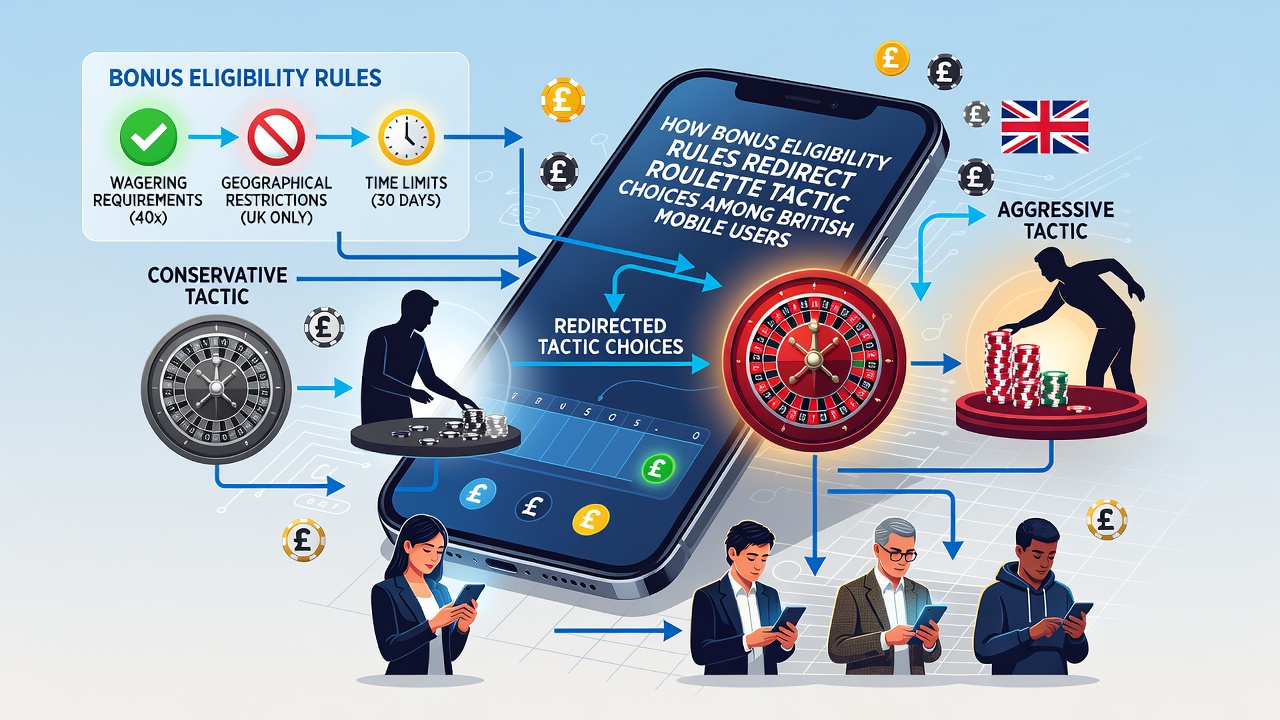
Bonus eligibility rules in the UK mobile gaming sector steer roulette players toward particular betting patterns and game variants because operators tie wagering requirements to specific contribution rates and minimum stake thresholds. These conditions emerged more prominently after regulatory adjustments in 2025 and continued to influence choices through July 2026 as platforms refined their promotional structures to maintain compliance while attracting mobile traffic.
Core Mechanics of Eligibility Criteria
Operators apply contribution percentages that determine how much each roulette bet counts toward clearing wagering targets, so players adjust their selections accordingly when low-contribution bets like even-money wagers receive only 20 percent credit while higher-variance inside bets might receive full weighting on certain sites. Minimum bet sizes attached to bonus funds further channel activity toward outside bets because those options allow participants to meet volume requirements without exhausting funds at the same rate as straight-up placements.
Mobile Platform Influences on Tactic Shifts
Smartphone interfaces accelerate these adjustments since quick-tap controls favor rapid outside-bet sequences that accumulate the required number of spins faster than deliberate inside-bet strategies. Data from industry reports indicate mobile sessions average shorter durations yet higher spin counts, prompting users to favor columns and dozens that align with eligibility multipliers rather than single-number pursuits.
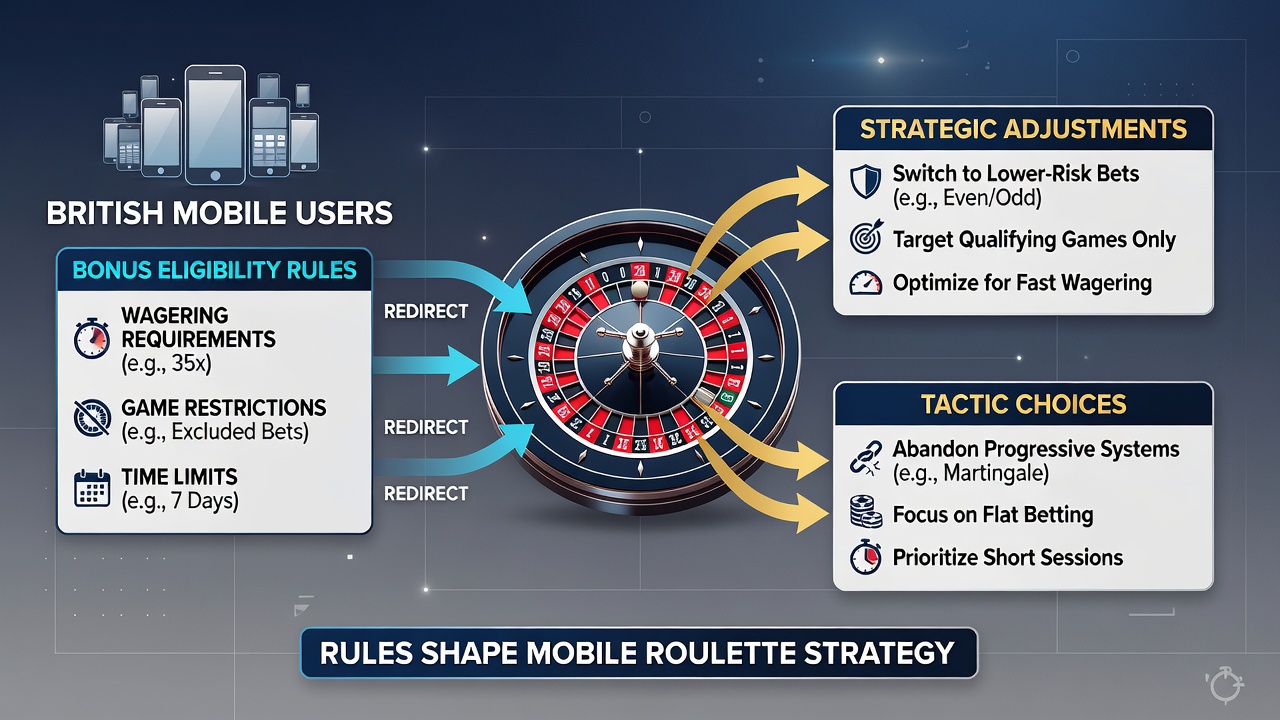
Research conducted by the Victorian Responsible Gambling Foundation highlights how eligibility language in promotions redirects bet distribution across digital platforms, and similar patterns appear in British mobile data where users migrate toward European roulette wheels that offer lower house edges when bonus terms permit full contribution from all bet types.
Comparative Effects Across Game Variants
French roulette variants gain traction among mobile users when la partage rules interact favorably with eligibility conditions because the return of half the stake on even-money losses effectively stretches bonus funds while still counting toward clearance targets. American double-zero wheels lose ground in bonus contexts since operators often assign reduced contribution rates to those titles, pushing participants toward single-zero formats that satisfy both regulatory and promotional thresholds more efficiently.
Observed Adjustments in Player Behavior
Studies from academic sources such as those published by the Australian Gambling Research Centre show that clearly defined eligibility parameters correlate with measurable changes in bet sizing and frequency, patterns echoed in UK mobile analytics where average wager amounts per spin decline during bonus play compared with cash-funded sessions. Players concentrate activity on tables displaying explicit contribution tables rather than those requiring separate verification of terms.
Regulatory Context and Platform Adaptations
Throughout 2026 platforms updated their mobile applications to display real-time progress toward eligibility milestones, reducing instances of mismatched tactics that previously led to forfeited bonuses. These interface changes coincide with broader international efforts to standardize promotional disclosures, allowing British users to compare rules across operators without leaving the app environment.
Conclusion
Eligibility rules continue to function as structural guides that align mobile roulette activity with operator compliance needs while shaping the distribution of bets and game selections among British users. The interplay between contribution percentages, stake minimums, and interface design produces consistent tactical adaptations observable across session data from mid-2026 onward.