Exploring Retention Through Reload Incentives and Targeted Spins Across UK Roulette Platforms
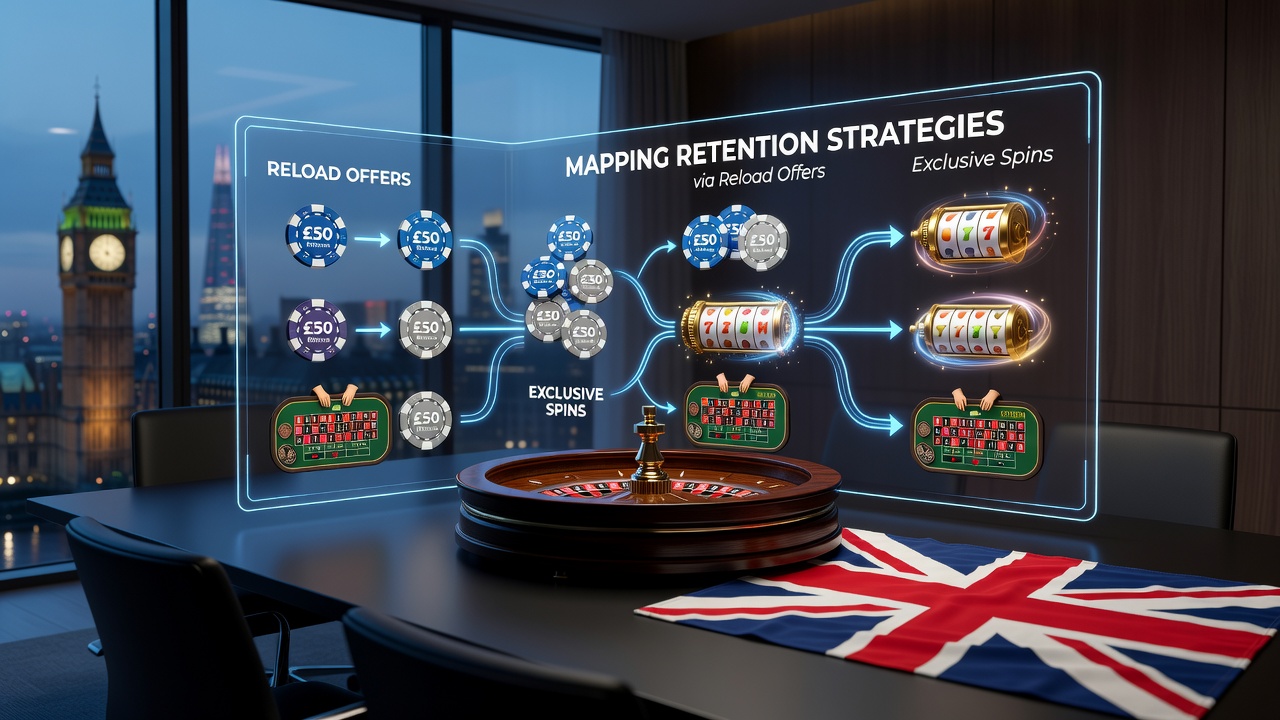
Operators in British roulette markets have refined retention approaches by layering reload offers with exclusive spin packages, and these mechanics create structured pathways that encourage repeat engagement while aligning with regulatory frameworks established in recent years. Data from industry tracking services show that platforms deploying sequenced reload incentives alongside spin exclusives report sustained session lengths, particularly when offers tie directly to roulette variants such as European or French wheel formats.
Reload Structures and Their Integration Patterns
Reload bonuses function as percentage-based matches on subsequent deposits, and British operators frequently schedule these during mid-week periods or after initial welcome cycles conclude. Research from the European Gaming and Betting Association indicates that reload campaigns scheduled at 48-hour intervals correlate with measurable increases in weekly active accounts, because players receive notifications that prompt deposit activity without overlapping existing promotion windows. Those who track player cohorts note that reload values typically range between 50 and 100 percent of the deposit amount, capped at fixed thresholds that vary by account tier.
Exclusive spins operate separately from standard free spin promotions, and they often restrict activation to specific roulette tables or time-limited sessions. In July 2026, several platforms introduced spin bundles reserved for loyalty program members, limiting eligibility to accounts that maintained consistent deposit patterns over the preceding 30 days. This segmentation allows operators to allocate spin quantities based on historical wagering volume rather than blanket distribution.
Player Segmentation and Offer Mapping
Segmentation models divide users according to deposit frequency, average bet size, and game preference, after which operators assign reload multipliers and spin allocations accordingly. High-frequency roulette participants commonly receive reload offers with lower percentage matches but higher caps, while moderate players encounter spin-focused incentives that require smaller deposit thresholds. Observers note that this tiered distribution reduces overlap between player groups and minimizes the risk of promotional fatigue across the broader user base.
Mechanics of Exclusive Spin Deployment
Exclusive spins differ from generic bonuses because they attach to roulette-specific wagering requirements that reset upon each qualifying deposit. British platforms have implemented verification steps that confirm spin usage occurs on designated wheel types, and this tracking occurs through backend systems that log both spin activation and resulting bet outcomes. Studies conducted by the UNLV International Gaming Institute highlight that such targeted mechanics produce higher completion rates for wagering conditions when compared with unrestricted spin offers.
July 2026 saw expanded testing of time-bound spin windows, where exclusive bundles activated only during evening hours or on particular weekdays. These constraints create urgency without altering core game mathematics, and operators report that players often consolidate multiple sessions into single login periods to maximize the available spins before expiration.

Compliance Considerations in Offer Design
Regulatory updates effective in early 2026 require clear separation between reload terms and spin conditions, and operators must display wagering multipliers alongside eligibility criteria before any deposit occurs. This transparency measure stems from broader efforts to standardize promotion disclosure across licensed platforms, and it affects how reload offers combine with exclusive spin mechanics. Those monitoring compliance note that failure to separate these elements can trigger mandatory offer revisions or account restrictions.
Retention data collected through aggregated platform reports reveal that players who engage with combined reload and spin packages demonstrate extended account lifespans compared with those receiving single-mechanism incentives. The patterns hold across multiple roulette formats, though variation appears when operators introduce additional constraints such as maximum bet limits during spin redemption periods.
Conclusion
Mapping retention strategies in British roulette environments shows consistent reliance on reload offers paired with exclusive spin allocations, and these tools operate within defined regulatory boundaries that continue evolving through 2026. Platforms adjust offer parameters based on segmented player data, scheduling patterns, and compliance requirements, which together shape how incentives maintain engagement without violating established guidelines. Further tracking of these mechanics will likely reveal additional refinements as operators respond to usage metrics and oversight developments.