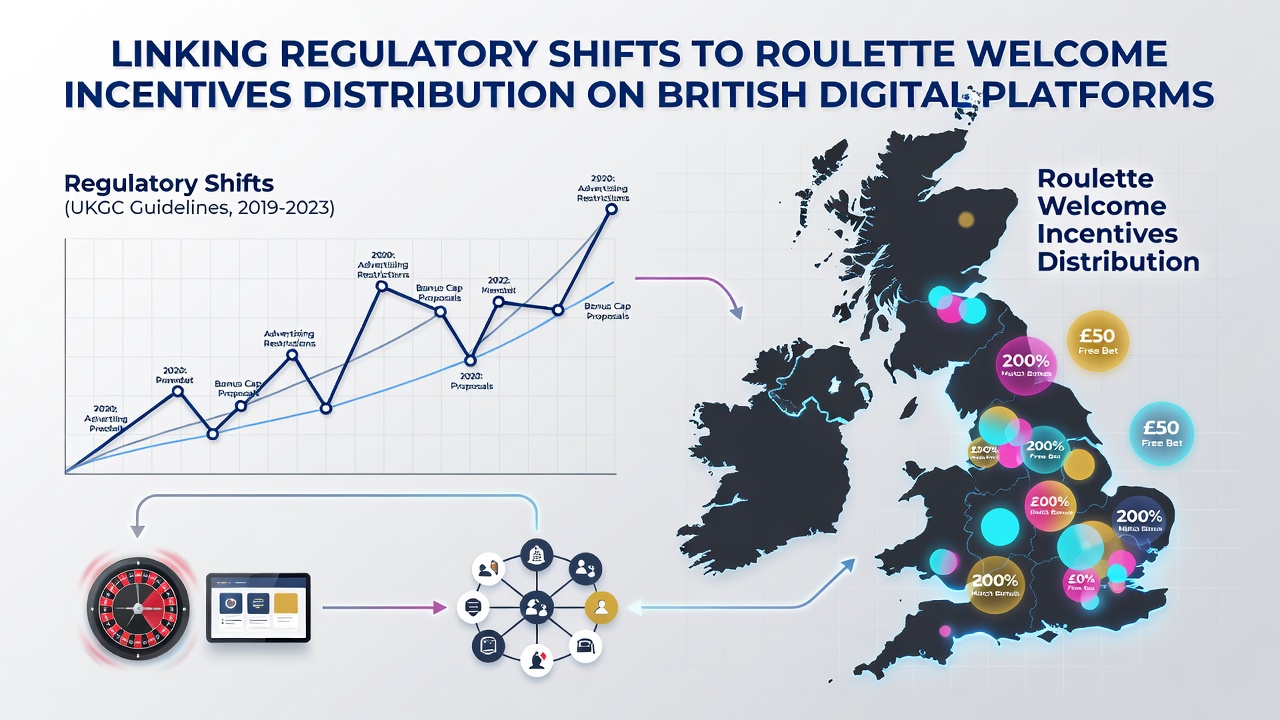
 British digital platforms offering roulette welcome incentives have adjusted their promotional structures in response to successive oversight modifications introduced between late 2024 and mid-2026, with data indicating shifts in how operators allocate sign-up bonuses, deposit matches, and free spin packages across desktop and mobile channels. These changes stem from updated consumer protection frameworks that emphasize responsible marketing practices, age verification protocols, and restrictions on bonus terms that previously allowed indefinite wagering cycles. Observers note that platforms with larger user bases tend to concentrate higher-value roulette incentives in specific regions while smaller operators spread lower-tier offers more evenly to maintain compliance margins. Policy adjustments have influenced the geographic and demographic targeting of these incentives, leading to observable clustering where operators prioritize audiences in urban centers with established digital infrastructure. Figures from industry reports reveal that by early 2026 many platforms reduced the maximum bonus amounts tied to roulette deposits by an average of 15 to 20 percent in response to tighter advertising guidelines, yet they expanded eligibility windows to include a broader range of payment methods. This redistribution appears connected to requirements for clearer disclosure of terms, which prompted operators to standardize bonus structures rather than vary them widely by user segment.
Key Oversight Changes Affecting Incentive Allocation
Amendments to marketing codes have required operators to link bonus promotions more explicitly to verified player accounts, resulting in fewer blanket welcome offers appearing in general advertising spaces and more targeted distribution through app notifications or account dashboards. Data shows that between January and June 2026 several platforms introduced tiered incentive models where roulette welcome packages scaled according to initial deposit size and verification status, creating distinct distribution patterns that favor players completing full identity checks early in the registration process. Those who've analyzed operator filings observe that this approach reduces exposure to compliance penalties while maintaining competitive appeal in a crowded market.
Platforms have also adapted by shifting emphasis toward reload incentives and loyalty mechanisms that operate under different regulatory thresholds compared to initial welcome bonuses. Research from the European Gaming and Betting Association highlights how such layered approaches allow operators to sustain engagement without triggering the same scrutiny applied to first-time deposit matches. In June 2026 multiple UK-facing sites rolled out revised roulette welcome packages that capped free spin quantities and introduced time-bound redemption periods, aligning with broader European trends toward standardized consumer safeguards.
Distribution Patterns Across Platform Types
Larger casino networks with integrated live dealer offerings have concentrated roulette incentives on mobile applications where user retention metrics remain highest, whereas standalone sites distribute similar packages more evenly between web and app interfaces. Evidence suggests that this divergence correlates with regulatory emphasis on device-specific risk assessments, pushing operators to monitor how bonuses perform across different access points. One study revealed that platforms integrating multiple game providers often bundle roulette welcome incentives with live dealer access codes, creating composite offers that comply with disclosure rules while appealing to varied player preferences.
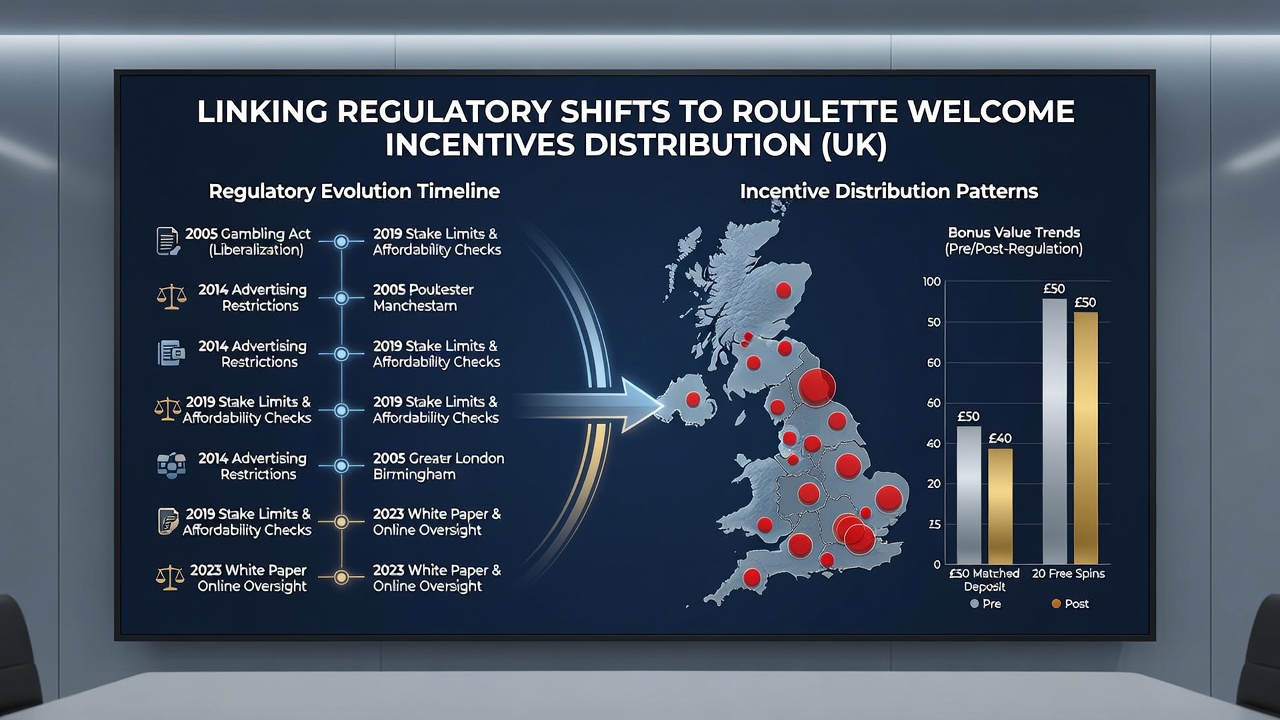
Regional variations have emerged as well, with platforms serving northern England reporting higher volumes of deposit-match incentives compared to those focused on London and southeast markets where cashback-style rewards appear more frequently. These patterns reflect differences in average session lengths and deposit behaviors documented in aggregated transaction data. Operators adjust accordingly, routing certain welcome packages toward demographics that demonstrate sustained activity after the initial bonus period expires.
Platform Responses and Compliance Strategies
Many digital venues have implemented automated systems to track bonus redemptions against new wagering requirements, allowing them to fine-tune distribution without manual intervention. This technical adaptation supports adherence to rules introduced in 2025 that mandate real-time reporting of promotional activity. Those monitoring the sector note that such systems enable platforms to test incentive variations within narrow compliance bands, resulting in subtle differences in how roulette welcome offers appear across competing sites.
Cross-border operators licensed in multiple jurisdictions have standardized their UK-facing roulette incentives to match the strictest applicable standards, even when those exceed domestic requirements. This convergence produces more uniform distribution patterns than existed prior to the recent oversight wave, reducing the previous fragmentation where bonus generosity varied sharply between sites. Academic analyses from institutions tracking gambling policy, including work referenced through the Responsible Gambling Council, indicate that these harmonization efforts correlate with steadier uptake rates across player cohorts rather than spikes followed by sharp drop-offs.
Conclusion
Regulatory shifts continue to reshape how roulette welcome incentives reach players on British digital platforms, producing measurable changes in allocation volume, targeting precision, and structural complexity. Platforms respond through technical upgrades, tiered models, and regional adjustments that keep offerings aligned with evolving standards. These developments illustrate ongoing adaptation within the sector as operators balance competitive positioning against compliance obligations through 2026 and beyond.