Payment Preferences and Their Role in Shaping Roulette Welcome Access on Handheld Devices
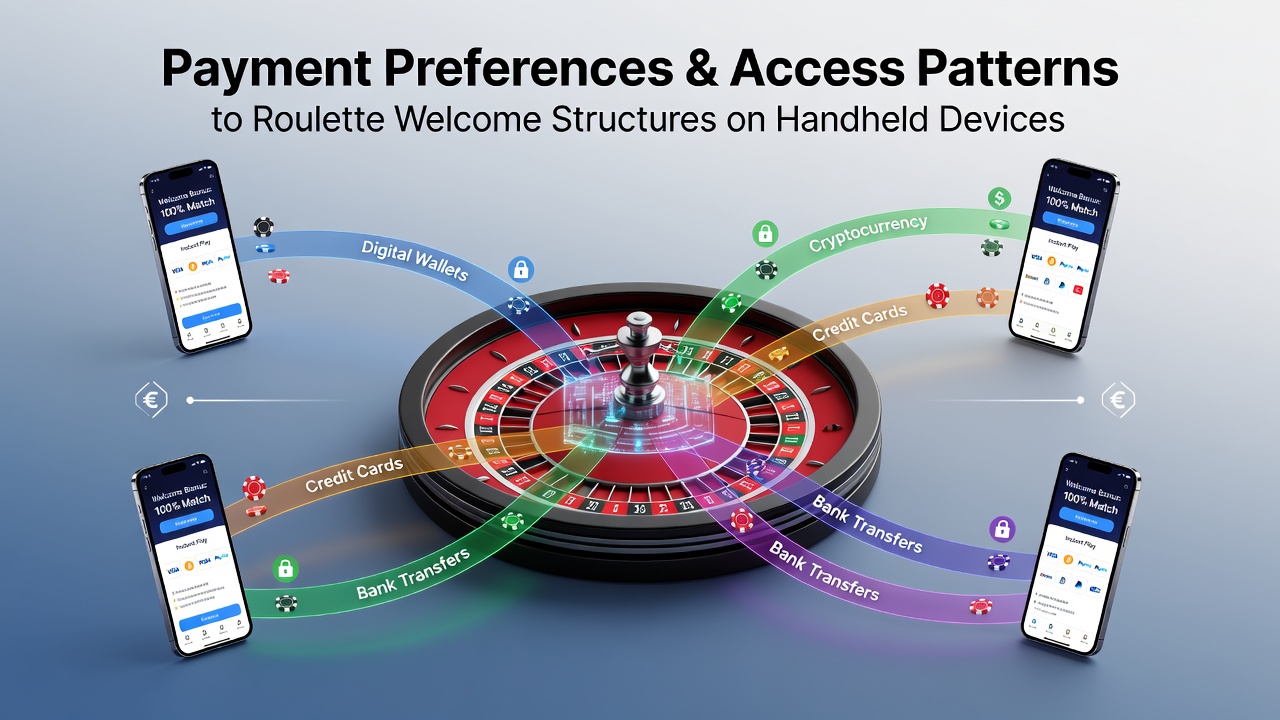
Payment methods chosen by users continue to determine which roulette welcome structures become available on handheld devices, and data from multiple markets shows clear correlations between deposit types and bonus eligibility. Credit and debit card transactions often unlock standard welcome packages on mobile platforms, whereas e-wallet options like digital wallets frequently route players toward alternative reward tiers that emphasize instant access yet carry distinct wagering conditions. Researchers tracking transaction logs across European and North American operators have documented that bank transfer users encounter longer verification periods before welcome structures activate, resulting in delayed entry to roulette-specific promotions during peak mobile usage windows.
Device-Specific Access Patterns Emerge from Payment Choices
Handheld platforms impose additional layers where payment preferences intersect with app-based interfaces, and figures from industry reports indicate that users selecting prepaid cards or voucher systems experience restricted visibility of roulette welcome offers compared with those employing integrated mobile banking solutions. In July 2026 several operators adjusted their mobile frameworks to accommodate rising volumes of instant payment apps, yet these updates produced uneven outcomes because certain digital wallet providers triggered automatic exclusions from bonus pools tied to roulette deposits. Observers note that smartphone users who default to cryptocurrency channels gain faster processing but face narrower welcome structures that prioritize volatility-adjusted terms over traditional match bonuses.
Regional Data Highlights Payment Influence on Mobile Roulette
Studies conducted by the Australian Institute of Criminology reveal distinct regional variations in how payment preferences filter roulette welcome access on handheld devices, with Australian users favoring POLi transfers showing higher completion rates for bonus activation than those relying on international card networks. Meanwhile data compiled through the European Gaming and Betting Association points to e-wallet dominance in mobile sessions correlating with reduced exposure to high-value roulette welcome packages because operators apply automated risk filters that prioritize established banking rails. These patterns hold across both iOS and Android environments, where app store guidelines further constrain which payment flows can surface promotional content without additional authentication steps.
Verification Timelines and Bonus Routing on Smartphones
Verification requirements attached to different payment methods directly affect when roulette welcome structures appear on handheld screens, and transaction monitoring from 2025 into mid-2026 demonstrates that debit card deposits clear mobile verification queues faster than wire transfers or checks. This speed differential means users who select instant bank apps often reach roulette welcome offers within minutes of registration, while those processing through slower rails encounter staged unlocks that stagger bonus visibility across multiple device sessions. Platform algorithms now segment players according to payment velocity, routing high-frequency mobile depositors toward welcome structures that reward continued roulette play with layered cashback rather than initial deposit matches.
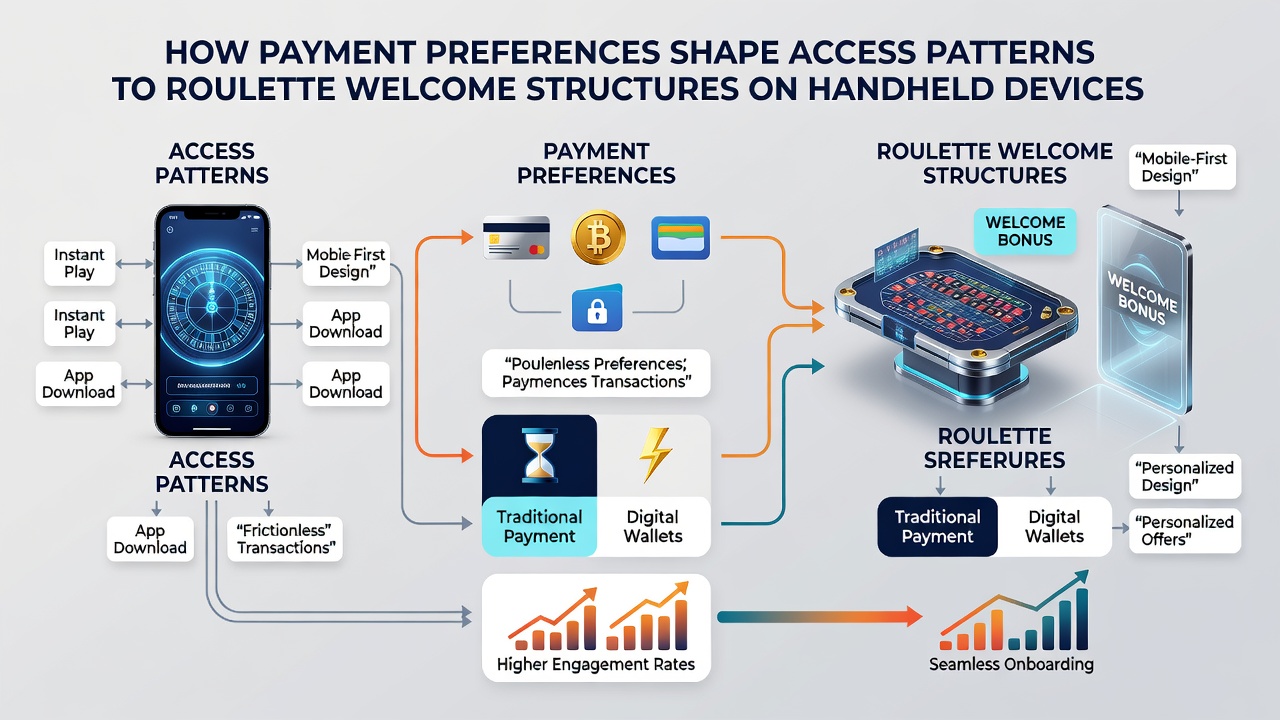
One analysis of mobile transaction streams found that players combining multiple payment types within a single account triggered conditional access rules, limiting simultaneous eligibility for overlapping roulette welcome structures. Handheld device users who alternate between credit cards and digital wallets during the same session therefore navigate fragmented bonus pathways that operators enforce through geolocation and device fingerprinting protocols.
Emerging Trends in Mobile Payment Integration for Roulette Offers
Operators continue refining how payment preferences map onto roulette welcome availability, and recent platform updates in July 2026 introduced dynamic menus that reorder bonus displays based on the primary funding method detected by the handheld app. Research from university-led gambling behavior projects indicates that younger demographics on smartphones gravitate toward embedded wallet solutions, which in turn surfaces welcome structures emphasizing free spin allocations over deposit-matched roulette credits. Conversely, older user cohorts maintaining traditional card preferences retain access to classic welcome packages but encounter stricter mobile deposit minimums that operators enforce to manage processing overhead.
These shifts reflect broader infrastructure changes where payment processors and gaming platforms align their systems, producing measurable differences in which roulette welcome structures reach end users on handheld devices. Data sets covering multiple jurisdictions confirm that the intersection of payment speed, verification depth, and device type creates predictable access hierarchies rather than random distribution of promotional content.
Conclusion
Payment preferences exert measurable control over roulette welcome structure accessibility on handheld devices through verification speed, algorithmic routing, and regional compliance layers. Patterns observed through mid-2026 illustrate that operators adjust mobile interfaces to match dominant funding methods, resulting in differentiated bonus exposure across user segments. Continued monitoring of transaction data and device interactions will clarify how these relationships evolve as new payment technologies integrate with existing roulette platforms.