Policy Evolutions and Stacked Reward Systems Shaping UK Virtual Roulette Play
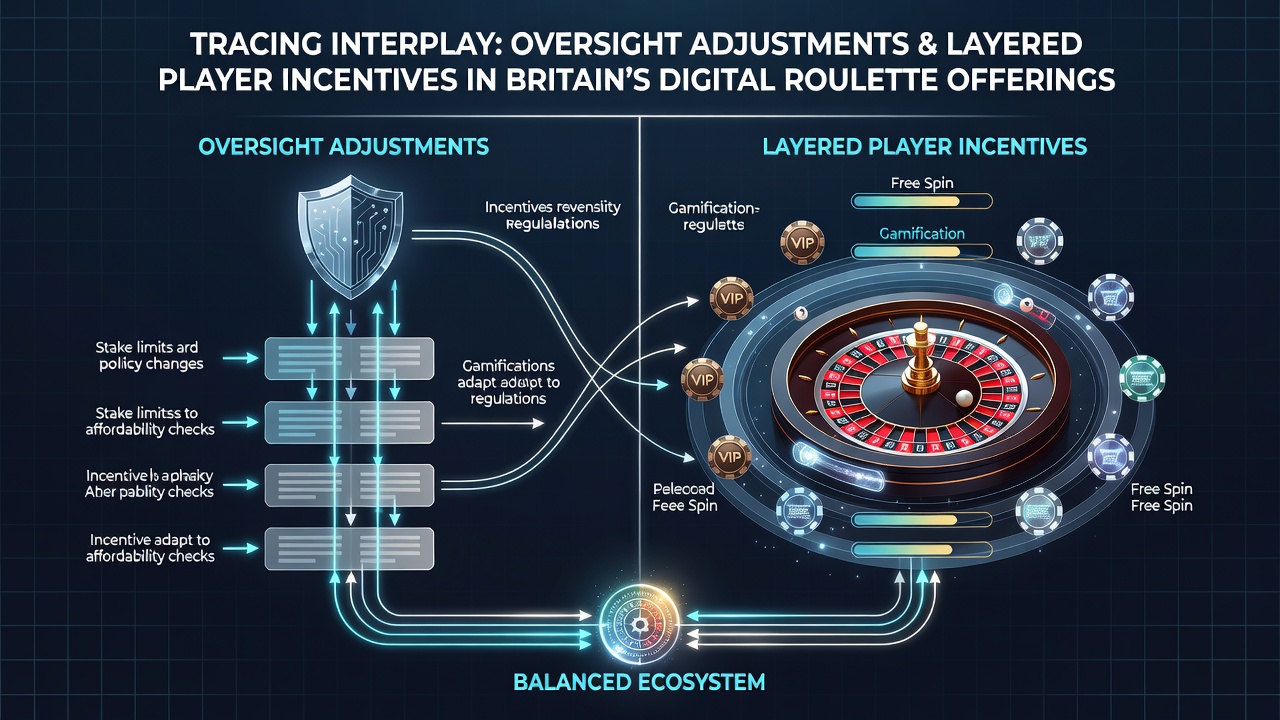
Regulatory frameworks in Britain have undergone multiple adjustments since the early 2010s, and these shifts intersect directly with the design of player incentives offered on digital roulette platforms. Operators adjust welcome bonuses, reload packages, cashback tiers, and loyalty schemes in response to licensing conditions, stake limits, and advertising rules that evolve over time. Data from industry reports show that such layered incentives often expand or contract depending on the pace of oversight changes, creating measurable patterns in player engagement metrics across licensed sites.
Core Elements of Oversight Adjustments
British authorities introduced stake restrictions on certain slot-adjacent products in 2021, and similar principles later influenced roulette table limits and bonus wagering calculations. These measures prompted operators to restructure reward layers so that cashback offers and free spin allocations remain compliant while still attracting participation. Observers note that platforms responded by introducing tiered loyalty programs where higher deposit thresholds unlock progressively larger reward percentages, a direct adaptation to caps on single-bet amounts.
By July 2026 additional compliance checks around real-time play monitoring had been rolled out, requiring sites to verify that promotional credits do not encourage excessive session lengths. This adjustment led several operators to cap the number of consecutive reload bonuses available within a single week, thereby redistributing incentive value across longer timeframes rather than concentrating it in short bursts.
Layered Incentive Structures in Practice
Digital roulette offerings in Britain typically combine multiple reward types that operate simultaneously. A standard structure might include an initial deposit match, followed by ongoing cashback percentages on net losses, and then separate loyalty points that convert into roulette-specific credits. Research from academic sources indicates that these layers interact because changes in one area, such as wagering requirements tied to deposit matches, often trigger recalibrations in cashback rates to maintain overall player retention levels.
Take one operator who introduced a multi-tier VIP system in early 2025. Lower tiers offered modest weekly cashback while top tiers unlocked reduced wagering multipliers on roulette bonuses. When new oversight rules around bonus transparency took effect, the same operator adjusted the top-tier benefits by adding mandatory cooling-off periods between reward claims, demonstrating how regulatory language directly reshapes incentive architecture.
Interplay Patterns Observed Across Platforms
Evidence suggests that platforms with more complex reward stacks tend to revise terms faster following oversight updates. For instance, when rules around advertising bonuses tightened, several sites shifted emphasis from headline deposit-match percentages toward loyalty-point accumulation systems that require sustained play rather than large initial deposits. This transition maintains incentive appeal without violating updated disclosure standards.
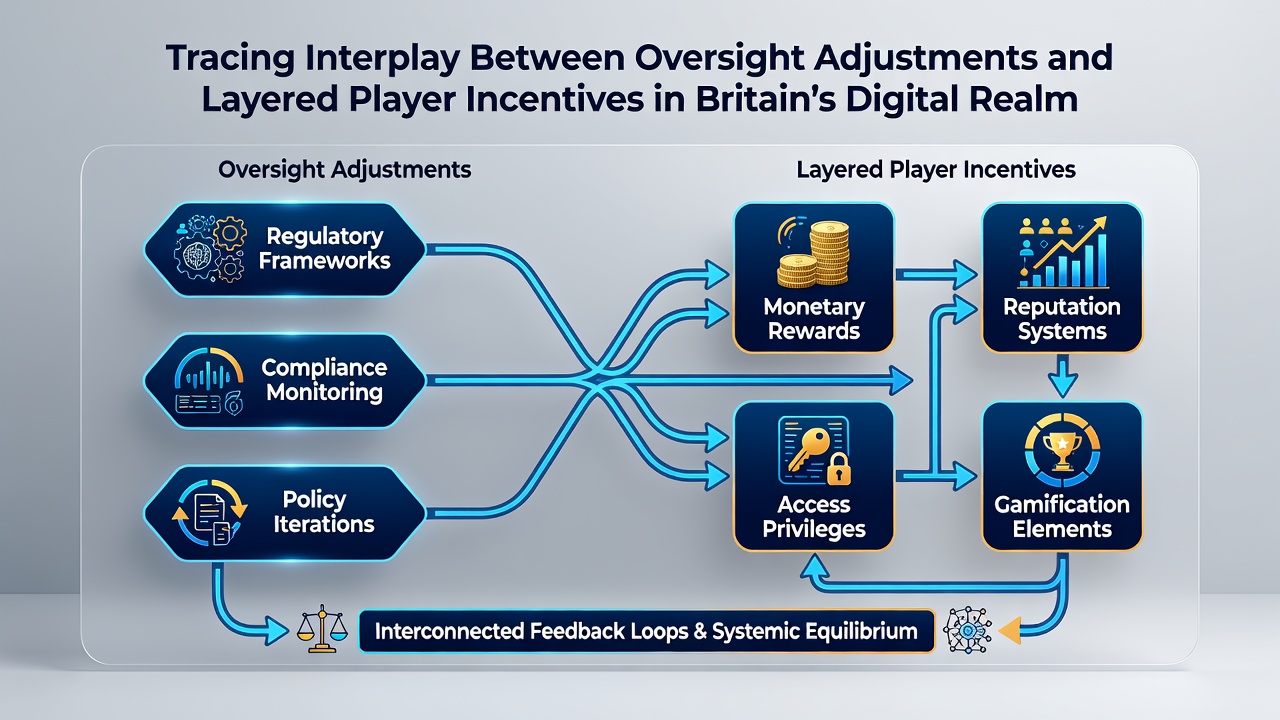
What's interesting is how these adjustments create feedback loops. A reduction in maximum bonus values often coincides with expanded cashback availability because operators seek alternative ways to deliver perceived value. Figures from international research bodies reveal similar dynamics in other regulated markets, where operators balance compliance costs against retention targets by redistributing reward layers rather than eliminating them entirely.
Examples from Recent Adjustments
In one documented case an operator linked its roulette cashback program to a loyalty multiplier that activated only after players completed a set number of spins at varying stake levels. Following an oversight clarification on bonus fairness in late 2025, the multiplier thresholds were recalibrated upward, lengthening the time required to unlock higher cashback percentages. Players who previously reached top tiers quickly found the pathway extended, illustrating the direct translation of regulatory language into incentive mechanics.
Another platform integrated live dealer roulette with automated loyalty tracking that awarded points based on both bet volume and session duration. When monitoring requirements strengthened in mid-2026, the operator added automated alerts that paused point accumulation after defined play periods, ensuring compliance while preserving the layered reward experience.
Geographic Comparisons and Broader Context
Analyses from Australian gambling research centres show comparable patterns where regulatory tightening around bonus advertising prompted operators to emphasise loyalty and cashback structures instead. Similar observations appear in reports from Canadian provincial regulators, where incentive layering adapts to jurisdiction-specific stake and advertising constraints. These cross-regional patterns suggest that Britain's roulette platforms follow an established pathway rather than an isolated response.
Conclusion
The relationship between oversight adjustments and layered player incentives in Britain's digital roulette sector continues to evolve through iterative recalibrations. Each regulatory update prompts operators to redistribute value across welcome offers, cashback tiers, loyalty multipliers, and session-based rewards in order to maintain compliance and engagement. Data and case examples confirm that these interactions produce measurable shifts in how incentives are structured and accessed, with patterns that align with developments observed in other regulated markets.