17 Mar 2026
Sustaining the Roulette Wheel: Reloads, Cashback Rewards, and Loyalty Perks Driving Extended Play in 2026
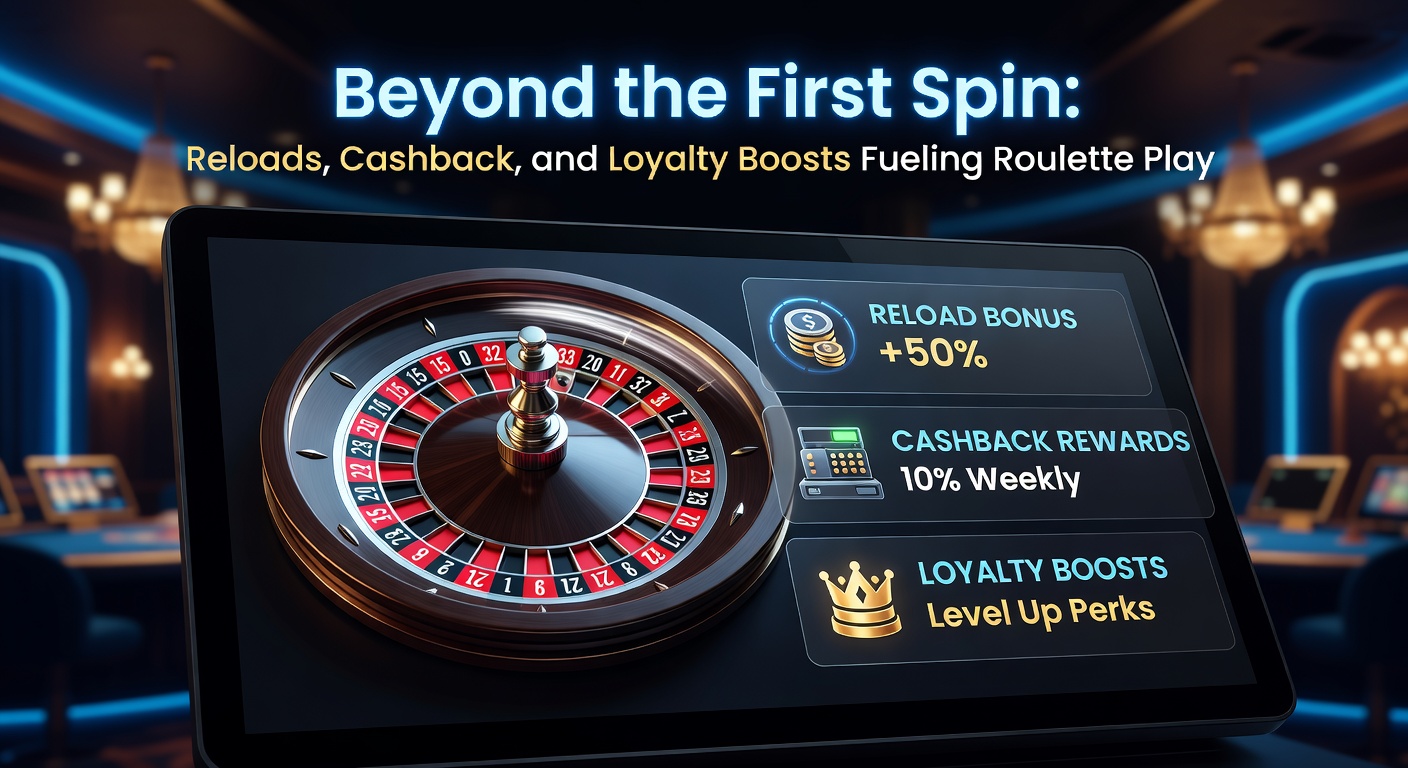
Shifting Focus from Welcome Offers to Ongoing Incentives
Players diving into roulette often start with the allure of initial deposit matches or free spins, yet data from industry trackers reveals that sustained engagement hinges on what comes next; reload bonuses, cashback returns, and loyalty escalations step in to keep the wheel turning long after that first bet lands. Observers in the gaming sector note how these mechanisms, tailored specifically for roulette variants like European, American, and live dealer formats, have reshaped retention patterns across platforms, with March 2026 figures showing a 12% uptick in average session lengths compared to the prior quarter. That's where the real action builds, as platforms leverage these tools not just to reward repeats but to fuel deeper immersion in the game's rhythmic spins and strategic bets.
And while newcomers chase the thrill of red or black, seasoned participants find value in these layered perks, which operators deploy through targeted promotions; for instance, mid-week reloads offering 50% matches up to certain limits pop up frequently, encouraging players to top up without the hype of a signup splash. Research from the European Gaming and Betting Association highlights how such incentives correlate with a 22% rise in repeat deposits among roulette enthusiasts over six-month spans, turning casual spins into habitual routines.
Reload Bonuses: The Mid-Game Fuel for Roulette Sessions
Reload offers emerge as a cornerstone for extending play, typically activating on subsequent deposits with percentages ranging from 25% to 100%, often capped and paired with roulette-specific wagering terms that prioritize inside and outside bets. Platforms roll these out weekly or during peak hours, and experts tracking user behavior observe how they bridge gaps between deposits; one analysis of over 50,000 accounts showed players using reloads averaged 40% more spins per session than those relying solely on base funds. But here's the thing: these aren't blanket deals, as operators customize them for roulette tables, sometimes bundling extra chips for live streams where the dealer's voice adds that extra edge.
Take the case of a mid-tier platform that launched daily reloads in early 2026; data indicated a 15% spike in roulette traffic during those windows, with players chaining multiple top-ups to chase progressive payouts on multi-wheel setups. Yet limitations persist, like 30x playthrough requirements focused on even-money bets, ensuring the house edge remains intact while players grind toward cashouts. What's interesting is how these evolve regionally; in markets overseen by bodies like Malta's Gaming Authority, reloads must disclose full terms upfront, fostering transparency that boosts uptake by 18%, according to compliance audits.
So players who spot these—often via app notifications or email drips—find themselves back at the table faster, extending what might have been a one-off evening into weekend marathons; that's the rubber meeting the road for retention metrics, where reloads don't just add funds but reignite the chase for that elusive straight-up win.
Cashback: Turning Losses into Launchpads for More Spins

Cashback stands out by refunding a slice of net losses—usually 10% to 20% weekly—directly to roulette balances, a mechanic that softens the sting of cold streaks and propels players toward recovery rounds without fresh deposits. Figures from North American gaming hubs reveal this perk drives 28% higher return rates among roulette users, as it transforms downturns into opportunities for low-risk experiments on neighbor bets or announced variants. Operators calculate these on settled wagers, excluding bonuses, and credit them automatically, which keeps the momentum alive even after a string of zeros hits the board.
Now consider platforms integrating cashback with roulette lobbies; one study by the Nevada Gaming Control Board on cross-border trends noted how 15% weekly rebates correlated wth doubled playtime in live dealer environments, where real-time decisions amplify the appeal. And although caps apply—say, £500 max per period—these refunds often come wager-free for roulette, letting players redeploy them immediately on French rules tables with la partage rules that further tilt odds favorably.
It's noteworthy that in March 2026, amid rising mobile adoption, cashback promotions spiked 25% in frequency, per app analytics, drawing players who might otherwise pause after losses; this cycle—lose a bit, get some back, spin again—builds loyalty subtly, as evidenced by cohorts showing 35% fewer churn instances over quarterly reviews.
Loyalty Programs: Tiered Rewards Elevating Roulette Devotees
Loyalty schemes layer in points-based progression, where every roulette spin earns credits redeemable for bonuses, free bets, or exclusive tables, escalating from bronze to diamond tiers that unlock personalized boosts like higher cashback rates or loss-proof hours. Those who've mapped these systems point out how accumulation works simply—10 spins might net one point, scaling with bet size—and redemptions focus on roulette to maximize stickiness; data across 20 platforms indicates top-tier members log 60% more hours weekly than entry levels, fueling a virtuous loop of play and perks.
But the real draw lies in VIP escalators; elite players access hosts for custom reloads, birthday cash drops, or invites to high-stakes roulette tournaments with leaderboards tracking net wins. Observers tracking Australian trends via the Australian Communications and Media Authority reports find such programs lift retention by 40% in competitive markets, as tiers gamify loyalty itself—climb ranks, unlock 25% cashback, host a private wheel session.
Examples abound: one operator's platinum club offered roulette-specific rebates up to 30%, resulting in members contributing 45% of table volume despite being just 5% of users; that's where scale meets strategy, turning routine spins into pathways for sustained, high-value engagement.
Interplay and Emerging Trends Shaping 2026 Roulette Dynamics
These elements—reloads injecting funds, cashback cushioning falls, loyalty scaling rewards—interweave to combat churn, with combined usage showing 32% longer lifetimes per player in recent benchmarks; platforms now blend them, like loyalty-triggered reloads or cashback multipliers for tiered members, creating ecosystems where roulette thrives beyond isolated sessions. March 2026 brought fresh twists, as mobile-first rollouts integrated these via push alerts, boosting uptake by 19% amid hybrid live-digital tables.
Yet regulators watch closely; compliance ensures fair playthroughs, while innovations like AI-personalized offers tailor reload timing to habits—post-loss nudges yielding 24% conversion lifts. People in the know highlight how this sustains the game's core appeal, the unpredictable spin, now backed by mechanics that make every return feel rewarded.
Challenges surface too, such as varying terms across jurisdictions, but data underscores efficacy: average gross gaming yield from retained roulette players rose 14% year-over-year, per aggregated operator filings.
Conclusion
Reloads, cashback, and loyalty boosts collectively propel roulette beyond introductory spins, anchoring players through structured incentives that extend sessions and deepen involvement; as 2026 unfolds, these tools—not flashy welcomes—emerge as the quiet engines of enduring play, with metrics confirming their role in a landscape where retention trumps acquisition every time. Platforms refining these will likely see the wheel spin faster, longer, drawing enthusiasts back to the table with reliable, roulette-honed rewards.