The Progression of Player Loyalty Systems in British Online Roulette Platforms
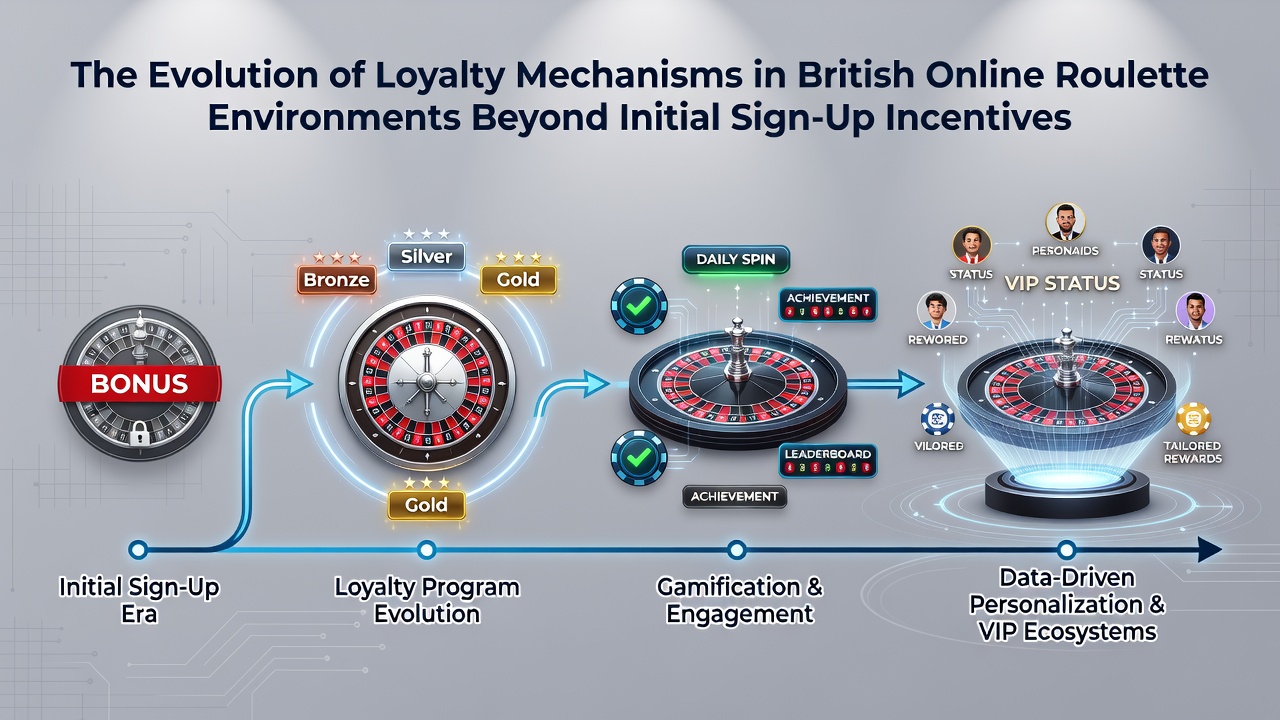
British online roulette environments have moved steadily from one-time welcome packages toward structured loyalty frameworks that reward repeated play and long-term engagement, with operators tracking player activity through points systems that convert into credits, free spins, or cash equivalents over months rather than days. Research from industry bodies shows these mechanisms gained traction after 2020 as platforms responded to regulatory pressures and competition, shifting focus to retention metrics that measure session frequency and average wager size across roulette variants including European, French, and live dealer formats.
Early Foundations of Retention Strategies
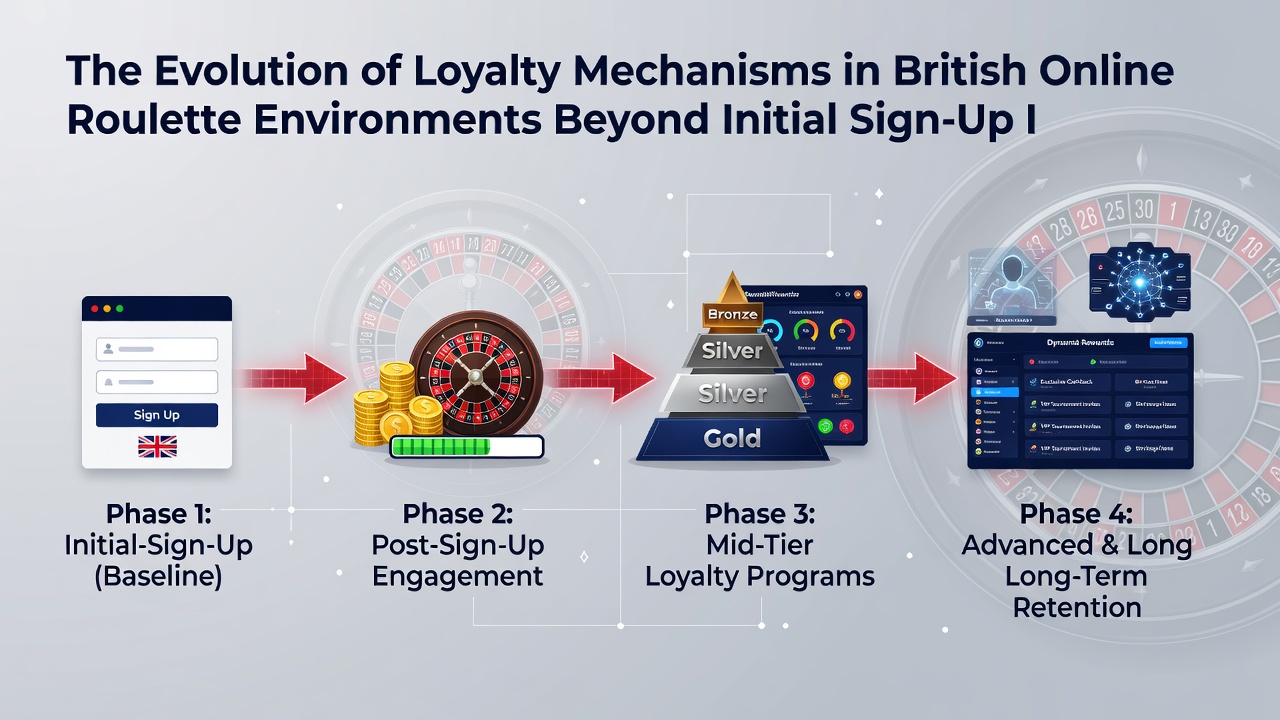
Initial loyalty tools emerged as simple reload offers that activated after the first deposit cycle ended, yet operators soon layered in points accumulation where each spin on roulette wheels contributed to a balance redeemable for additional gameplay. Data from European gaming associations indicates that by mid-2023 these programs incorporated tier progression, with players advancing through bronze, silver, and gold levels based on cumulative deposits and play volume rather than isolated sign-up events. Observers note that such structures encouraged consistent participation because higher tiers unlocked faster withdrawal processing and personalized roulette table access.
Integration of Cashback and Multiplier Systems
Cashback mechanisms developed as a core loyalty component, returning a percentage of net losses on roulette sessions directly to player accounts on a weekly or monthly schedule, while multipliers applied extra value to points earned during peak hours or specific game types. Those who've examined platform updates report that these features often combined with progressive jackpots tied to loyalty status, creating pathways where regular players accessed enhanced prize pools unavailable to new accounts. Studies from the University of Nevada's gaming research division reveal that cashback integration correlated with extended play durations in markets similar to Britain's, as participants received tangible returns that offset variance inherent in roulette outcomes.
Technological Enhancements and Mobile Adaptation
By early 2025 loyalty platforms incorporated real-time dashboards accessible via mobile apps, allowing users to monitor points, tier progress, and upcoming rewards without leaving the roulette interface, and operators introduced personalized offers generated through algorithms analyzing individual betting patterns on numbers, colors, and outside bets. What's interesting here is how these systems adapted to live dealer environments, where loyalty points accrued during streamed sessions at the same rate as RNG versions, maintaining continuity across device types. In June 2026 several major sites rolled out cross-game loyalty pooling that let roulette play contribute toward rewards in slots or blackjack, broadening retention appeal without diluting focus on wheel-based games.
Regulatory Influences on Program Design
Adjustments to loyalty mechanics reflected broader oversight trends across European jurisdictions, with operators refining reward structures to emphasize transparency around wagering requirements and expiry periods for accumulated benefits. Reports from the European Gaming and Betting Association highlight that platforms operating in Britain aligned loyalty terms with responsible gaming tools, such as optional spending caps that still permitted point earning at reduced rates. This approach allowed continued engagement while embedding safeguards directly into the reward architecture.
Player Behavior and Retention Outcomes
Analytics shared in industry forums indicate that loyalty participants exhibited higher return rates compared to those relying solely on initial incentives, with roulette-specific data showing increased frequency of smaller, repeated wagers once tier benefits became visible. One study revealed that players reaching mid-tier status often maintained accounts for six months or longer, drawn by the accumulating value of cashback and exclusive promotions rather than standalone bonuses. External data from Canadian gaming research centers supports similar patterns in regulated markets, where loyalty depth influenced platform switching decisions less frequently than in earlier periods dominated by welcome offers.
Conclusion
The trajectory of loyalty mechanisms in British online roulette continues to emphasize sustained value delivery through tiered access, loss mitigation via cashback, and seamless mobile tracking that extends beyond the initial account setup phase. Platforms maintain these systems by balancing player incentives with operational sustainability, resulting in environments where ongoing engagement receives structured recognition distinct from entry-level promotions.