14 Mar 2026
UK Gambling Sector Faces Seismic Shifts in 2026: Tax Doubles, Bonus Caps, and Regulatory Overhauls Reshape the Landscape

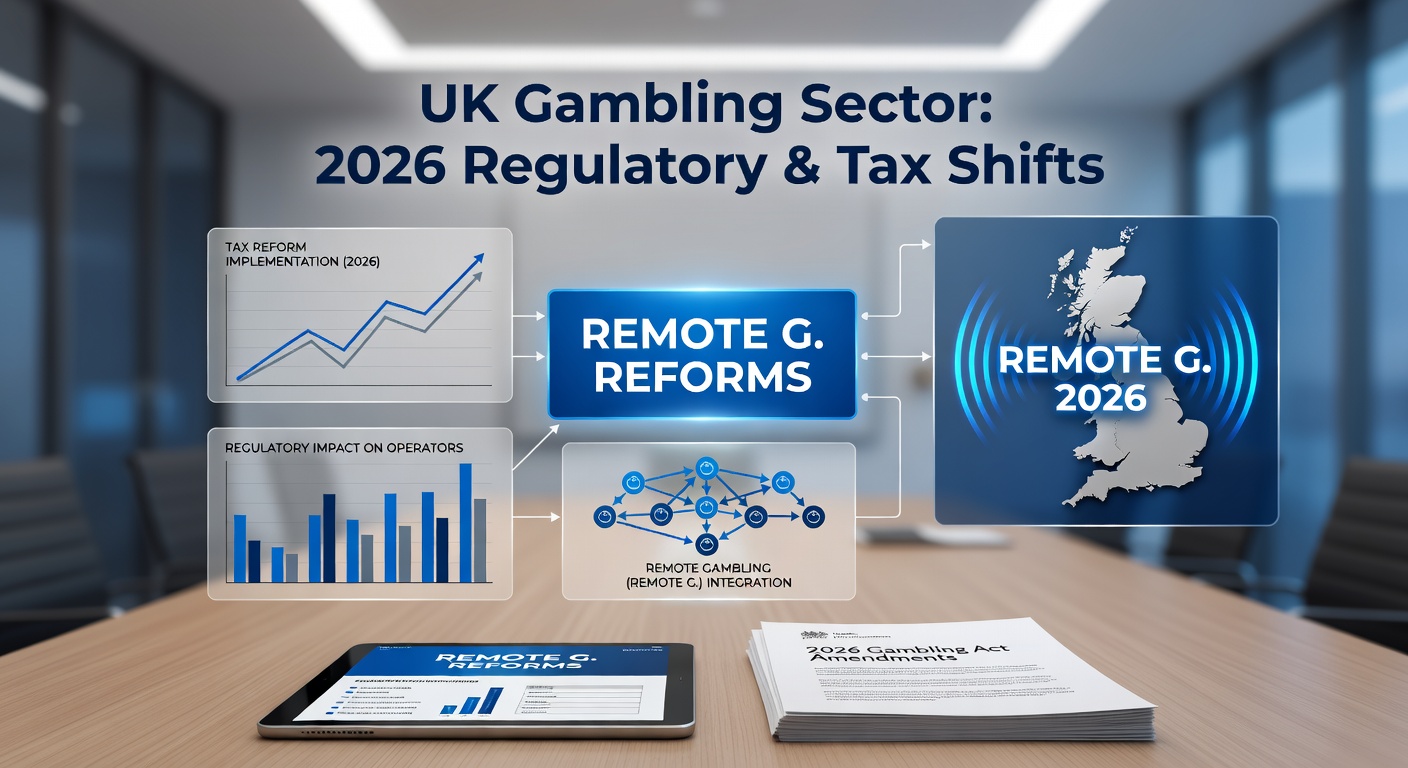
Tax Hikes Set to Hit Hard Starting April 2026
The UK gambling sector braces for substantial financial pressure as the Remote Gaming Duty on online slots and casino games doubles to 40% effective April 1, 2026; operators who rely heavily on these verticals now face steeper costs that could squeeze margins significantly, while remote betting duty climbs to 25% in 2027, adding another layer of fiscal challenge down the line.
What's interesting here is how these changes, announced amid ongoing budget adjustments, target high-growth online segments precisely where revenue has surged in recent years; data from industry reports indicates that online gaming contributed substantially to gross gambling yield before these hikes, so the impact ripples through balance sheets quickly.
And as March 2026 unfolds, companies prepare compliance roadmaps frantically, with executives warning of immediate revenue dips once the clock strikes April 1; take Flutter Entertainment, for instance, which disclosed a projected $320 million hit to EBITDA from these tax shifts alone, highlighting the scale for major players navigating the new reality.
New Promotional Rules Clamp Down on Bonuses and Products
January 19, 2026, marked a pivotal moment when fresh promotional regulations kicked in, capping bonuses at controlled levels and outright banning mixed products that bundled bets with casino games; regulators aimed to curb aggressive marketing tactics that previously drew players into higher-risk play, although operators argue these curbs stifle customer acquisition in a competitive market.
Turns out enforcement has been swift, with the UK Gambling Commission monitoring compliance closely; figures reveal that bonus offers across platforms adjusted overnight, shifting from expansive free spins or matched deposits to more restrained incentives that align with the new caps.
But here's the thing: these rules, while designed to protect consumers, coincide with broader efforts to standardize promotions industry-wide, ensuring no one gains an edge through loopholes; experts who've tracked similar reforms note that early adopters sometimes see retention dips initially, yet long-term stability emerges as players adapt.
Market Contraction and the Rise of Black Market Shadows
These combined pressures—tax doublings, duty increases, and promo restrictions—have triggered noticeable market contraction, with licensed operators reporting softer revenues even before full implementation; observers point to reduced player spend as promotions wane, compounded by operators passing on costs through tighter odds or fewer incentives.
One study highlighted in High Stakes Reports underscores how black market activity surges in such environments, as unregulated sites lure players with unrestricted bonuses and better payouts absent from the taxed UK landscape; data indicates a uptick in offshore traffic from UK IPs, raising concerns about player safety outside licensed oversight.
Yet regulators remain vigilant, pushing financial safeguards that could stem this flow; people who've analyzed past contractions, like those post-2019 reforms, often discover that while short-term pain hits hard, licensed volumes stabilize once illicit alternatives prove riskier.
UK Gambling Commission's Tech Pilots and Future-Proofing Moves
The UK Gambling Commission leads with innovation amid the turbulence, piloting advanced financial risk checks that achieve 97% frictionless success rates; these tools scan transactions in real-time for affordability signals, allowing most users seamless play while flagging high-risk patterns efficiently, a balance that's turning heads in compliance circles.
So now, as operators integrate these systems ahead of wider rollout, the commission prepares for regulated crypto payments by October 2027, opening doors to blockchain-based deposits under strict licensing; this move anticipates global trends where digital currencies gain traction, although safeguards against money laundering loom large in planning documents.
It's noteworthy that such pilots, tested rigorously before March 2026 announcements, demonstrate high efficacy without alienating casual players; researchers who've evaluated similar tech note approval rates soar when friction stays low, preserving engagement while enhancing protections.
Leadership Transition Adds Uncertainty to the Mix
Compounding the regulatory flux, CEO Andrew Rhodes departs the UK Gambling Commission on April 30, 2026, after steering major reforms through turbulent years; his tenure saw affordability checks expand and enforcement budgets grow, setting the stage for these 2026 overhauls even as his exit prompts questions about continuity.
Those who've followed commission leadership transitions observe that interim periods often accelerate tech adoption to maintain momentum; Rhodes' successor, yet to be named as of March 2026, inherits a docket heavy with crypto regs and black market countermeasures, ensuring the reform agenda presses forward unabated.
But here's where it gets interesting: outgoing executives like Rhodes typically hand off detailed roadmaps, minimizing disruptions; case in point, past chairs facilitated smooth handovers during peak reform cycles, with policy execution barely faltering.
Operator Strategies and Industry Adaptations in Play
Major firms recalibrate swiftly under these shifts; Flutter's $320 million EBITDA forecast, for example, prompts cost optimizations and diversification into less-taxed areas like retail betting, although online remains core; smaller operators band together via trade groups, lobbying for phased implementations that ease the blow.
And while market contraction bites—projections show online slots revenue dropping sharply post-April 1—some segments hold firm, with sports betting duties rising slower to 2027; data from early 2026 reveals operators experimenting with compliant bonuses that emphasize loyalty over acquisition, retaining core audiences effectively.
Experts observe that black market growth, though concerning, prompts faster regulatory responses; the commission's financial check pilots, boasting that 97% frictionless rate, exemplify proactive defenses, potentially reclaiming players wary of offshore risks.
Broader Implications for Players and the Ecosystem
Players encounter a transformed environment where capped bonuses mean leaner welcome offers, yet enhanced risk checks promise safer limits on losses; those navigating March 2026 sites notice streamlined verification processes already, hinting at the frictionless future ahead.
Turns out crypto's regulated arrival by late 2027 could streamline payments for tech-savvy users, bridging fiat and digital wallets securely; although tax rules apply uniformly, this integration bolsters the licensed market's appeal against unregulated rivals.
It's not rocket science: when duties double and promos tighten, adaptation follows; historical parallels from other jurisdictions show licensed operators rebound through innovation, with player migration to black markets peaking then ebbing as safeguards strengthen.
Conclusion: Navigating the New Normal in UK Gambling
As 2026 progresses with tax hikes landing April 1, promo rules entrenched since January, and crypto on the horizon by 2027, the UK gambling sector charts a course defined by contraction yet resilience; the UK Gambling Commission's pilots—97% frictionless checks—and leadership transitions underscore a commitment to balanced evolution, even as operators like Flutter absorb multimillion impacts and black market shadows lengthen temporarily.
Observers note that while challenges mount, data from High Stakes Shifts reports paints a landscape ripe for tech-driven recovery; the ball's in the industry's court to innovate compliantly, ensuring players stay within a safer, regulated fold amid these defining changes.